




















The Surprising Results of Rewiring My Brain with Daily Gratitude
Discover how a simple daily gratitude practice helped me rewire my brain for happiness, heal childhood trauma, and strengthen adult relationships IT pros welcome!

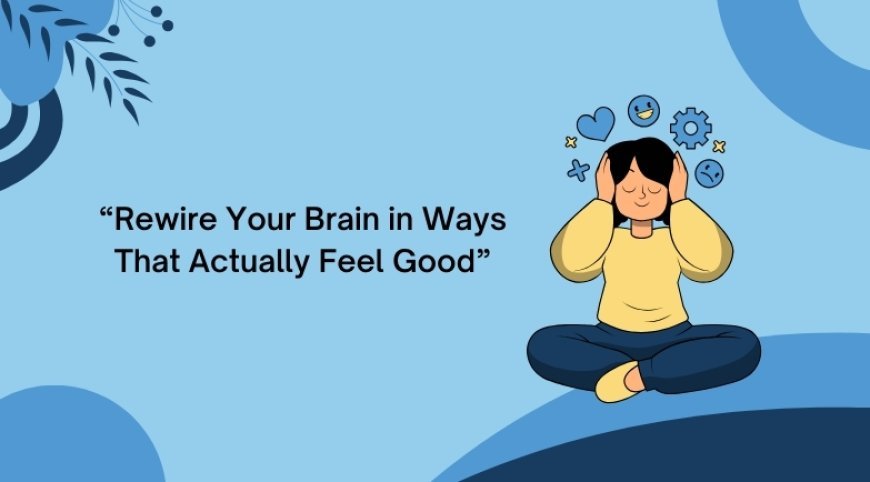
Every morning last spring, I sat at my desk laptop humming, code editor open and felt a familiar twinge of stress. As an IT professional, deadlines loom like unpatched vulnerabilities, and imposter syndrome can crash in faster than any server. But one simple habit shifted everything: a daily gratitude journal. Over 60 days, I watched my world transform as I learned to rewire my brain for happiness. Heres my story and how you can apply these insights, whether youre debugging code or debugging life.
The First Line of Code: Starting a Gratitude Practice
Ill admit, when I first heard about gratitude exercises in home psychology blogs, I rolled my eyes. As someone used to logical problem-solving, write down three things youre grateful for felt woolly. Yet I decided to experiment and heres what happened.
Day 17: I struggled. I jotted generic entries: Thankful for coffee.
Day 814: My mind wandered to deeper reflections: Grateful for that late-night debugging breakthrough.
Day 1530: I began to recognize small wins an encouraging Slack message, a helpful teammate.
Day 3160: The practice stuck. I felt anticipation each morning, excited to uncover gratitude gems.
This shift wasnt magic it was neuroplasticity in action. By consistently focusing on positive moments, I began to rewire my brain to seek out and savor the good, even amid tight sprint cycles.
Healing Old Wounds: Gratitude vs. Childhood Trauma
Many of us carry invisible baggage like unresolved childhood trauma that silently shapes our reactions. For me, perfectionist tendencies trace back to early praise only when I got it right. Gratitude journaling showed me another narrative: moments when I was loved unconditionally.
Acknowledging the pattern. I realized I had equated mistakes with failure and shame.
Flipping the script. Writing, Im grateful for my moms hug after a bad test, reminded me that kindness existed outside achievement.
Rewiring the response. Over time, I caught myself pausing before spiraling and recalling a positive memory instead.
By regularly revisiting moments of care, I began to patch neural pathways laid down by trauma and to rewire my brain toward compassion for others and myself.
Bringing Home Psychology to Your Workday
In IT, we often treat mental health like a low-priority ticket. Yet principles from home psychology like environmental cues and habit stacking are easily integrated into a coding routine:
1. Visual prompts. I placed a small gratitude jar on my desk. After each stand-up meeting, I dropped in a note.
2. Pairing habits. I wrote my daily three gratitudes right after my morning commit. The routine became seamless.
3. Accountability. I shared weekly reflections with a coworker, turning solitude into shared support.
These tweaks not only nurtured a positive mindset but also improved focus. When my brain shifted toward noticing wins, I became more resilient when a build broke or a merge conflict emerged.
Strengthening Adult Relationships Through Thankfulness
If youve ever seen teammates sniping over code reviews, you know workplace dynamics can be tense. Thankfulness can be a secret weapon in adult relationships:
Acknowledging effort. A simple Thanks for catching that bug goes a long way in building trust.
Reframing feedback. When I needed to critique a design, I began with, I appreciate your creative mockups; could we adjust
Celebrating others. At the end of each sprint, I highlighted one teammates contribution boosting morale across the board.
These small gratitude moments snowballed into a culture of encouragement. Meetings felt less adversarial; collaboration felt more genuine.
From Code to Connection: Gratitude in All Relationships
Whether its with family, friends, or the person in the mirror, gratitude can elevate relationships at every level:
Personal bonds. I started sharing one gratitude takeaway from work with my partner each eveningsparking meaningful conversations.
Community ties. I volunteered to lead a peer-learning circle and opened sessions by expressing thanks for everyones insights.
Self-relationship. I wrote, Im thankful for my problem-solving persistence, and noticed I was gentler with myself on rough days.
By weaving thankfulness into each interaction, my connections deepened and so did my sense of purpose.
Conclusion: Your Next Steps
Rewiring your brain with daily gratitude isnt about blind positivity; its about retraining your mind to spot opportunity, ease stress, and heal old wounds. Heres how to get started:
1. Grab a notebook. No fancy app needed just a few lines each morning.
2. Be specific. Grateful for my team is okay; Grateful for Priyas spot-on code review is better.
3. Track your progress. After two weeks, revisit your entries notice patterns and growth.
4. Share the journey. Invite a friend or coworker to join accountability doubles the impact.
As you log those small triumphs, youll find your default mindset shifting. Bugs become puzzles, deadlines become sprints worth celebrating, and yes youll literally rewire your brain for happiness. So why wait? Tonight, before your laptop sleeps, jot down one thing youre grateful for. Your future self and your career in IT will thank you.