




















Tree Removal: Introduction to Tree Removal
Tree removal isnt just about cutting down a treeits a calculated decision for safety, property value, or aesthetics. Whether your tree is diseased, damaged, or simply in the way, knowing when and how to remove it can save you from costly problems down the road.
? Common Reasons for Tree Removal
1. Diseased or Dying Trees
Dead or infected trees become brittle and unstable, posing risks to your property and safety.
2. Storm-Damaged Trees
Strong winds, lightning, or snow can severely damage tree structure, making removal necessary.
3. Unsafe or Leaning Trees
A tree that leans significantly may have compromised roots or trunk stability.
4. Construction and Landscaping
Sometimes trees must be removed to make way for a new garage, patio, or garden redesign.
5. Root Damage
Tree roots can crack driveways, break pipes, or damage foundations if left unchecked.
? Signs You Need Tree Removal
-
Bare branches at the top
-
Trunk splits or hollowness
-
Fungal growth or mushroom rings
-
Sudden leaning or shifting soil around the base
These are red flags that shouldnt be ignored.
? The Tree Removal Process
1. Inspection and Risk Assessment
A certified arborist examines the trees health and structural integrity.
2. Preparation and Permits
Depending on local laws, you may need permits before cutting down a tree.
3. Cutting and Dismantling
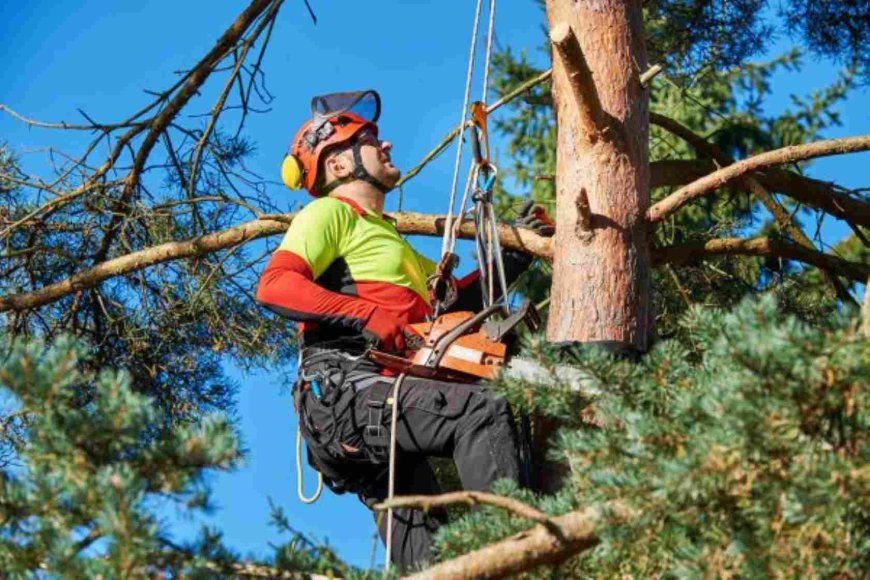
The crew uses ropes, chainsaws, and sometimes cranes to safely bring the tree down in sections.
4. Debris Cleanup
Branches, trunks, and debris are hauled away or recycled.
?? Tree Removal Techniques
Climbing and Sectioning
Ideal for tight areasclimbers remove the tree piece by piece.
Crane-Assisted Removal
Best for large or dangerous trees close to structures.
Traditional Felling
Used in open spaces where the tree can fall safely in one piece.
? Safety Measures
Tree removal is one of the most dangerous landscaping jobs. Professionals use:
-
Hard hats, harnesses, and safety glasses
-
Ropes and rigging systems
-
Chainsaws, wood chippers, and cranes
Never attempt large tree removal yourself.
? Tree Removal Costs
Factors Influencing Cost:
-
Tree height and width
-
Location and accessibility
-
Health and stability
-
Emergency response fees
Average Cost Range:
-
Small tree (under 30 ft): $150$400
-
Medium tree (3060 ft): $400$1,000
-
Large tree (over 60 ft): $1,000$2,500+
??? Choosing the Right Company
Look for:
-
Licensed and insured arborists
-
Positive reviews and referrals
-
Free written estimates
-
24/7 emergency services
Don't hire just anyone with a chainsawgo with the pros.
? Stump Removal: The Final Step
Once the tree is down, youre left with a stump. You can:
-
Grind it down for a smooth yard
-
Leave it (not recommendedcan attract pests)
-
Remove it entirely with heavy equipment
? Environmental Considerations
Instead of tossing tree material into a landfill:
-
Mulch the branches
-
Cut wood for firewood
-
Use trunks for lumber or donate to wood recycling centers
Also consider replanting to maintain environmental balance.
? Permit and Legal Requirements
In many areas, you need a city or HOA permit before tree removal. Always:
-
Check local ordinances
-
Consult your HOA (if applicable)
-
Avoid fines and legal trouble
? Emergency Tree Removal
Storm just hit? Tree about to fall? Call an emergency tree service that:
-
Offers fast, 24/7 response
-
Has experience with hazardous trees
-
Can work with your insurance provider
? Preventing Future Hazards
Regular care prevents surprise removals later:
-
Schedule annual inspections
-
Prune dead limbs
-
Monitor for pests and disease
Healthy trees last longerand so does your peace of mind.
? Conclusion
Tree removal is a necessary part of property ownership, whether its for safety, aesthetics, or progress. Hiring a professional team ensures its done right the first timewithout risking injury, damage, or legal headaches.
?FAQs
1. Is tree removal covered by homeowners insurance?
Yesif the tree damages property or poses an immediate threat, most policies will cover it. Check with your insurer for specifics.
2. Can I remove a tree without a permit?
Depends on local laws. Many cities require permits, especially for protected or heritage trees.
3. How long does it take to remove a tree?
From a few hours to a full daydepends on the size, location, and condition of the tree.
4. Can a tree grow back after removal?
If the stump isnt removed or killed, yes. Some species regrow from stumps or roots.
5. What happens to the wood after removal?
Most companies offer options: haul it away, leave it for firewood, or chip it into mulch.