



















What Is a Hybrid Model and Why Should You Care?


In a world where adaptability and flexibility are essential rather than optional, the hybrid model has become a potent remedy for a variety of businesses. However, what is a hybrid model exactly? More importantly, why should you give a damn?
Knowing the hybrid model can help you make better decisions about how you operate, manage, and expand your organization, regardless of whether you are an employee, team leader, entrepreneur, or business owner. We'll explain what a hybrid model is, when it works, and why it could be the game-changer you didn't know you needed in this post.
What Is a Hybrid Model?
A system that combines two distinct approaches to produce a more adaptable, effective, and balanced mode of operation is referred to as a hybrid model. Instead of being a one-size-fits-all framework, it is a customized blend that combines the best features of two different worlds to create a single, highly effective solution.
Nowadays, the hybrid work modelin which workers alternate between working in the office and working remotelyis the most often mentioned example. However, hybrid models are utilized in a wide range of industries, including software development, marketing, retail, healthcare, and education.
At its core, a hybrid model asks a simple question: Why choose one when you can have the best of both?
Why Has the Hybrid Model Become So Popular?
The COVID-19 epidemic increased the growth of hybrid models, which were a reaction to shifting expectations rather than merely a trend. Businesses and institutions that were compelled to work remotely found unanticipated advantages, such as lower operating expenses, better work-life balance, and enhanced productivity.
But not everything worked perfectly online or offline. Thats where the hybrid model entered the sceneoffering a middle ground that adapts to real-world challenges and preferences.
Where Do Hybrid Models Apply?
Lets break this down across key areas:
1. Workplace & Teams
The most talked-about job models are most likely hybrid ones. Workers can come into the office for meetings, cooperation, or team-building, or they can work from home for focused tasks.
Why it matters to you:
-
For employees, this means more autonomy and less commuting.
-
For employers, it can lead to happier teams and lower overhead costs.
2. Education
Online and in-person classroom training are combined in hybrid learning. This enables students to interact with peers and teachers face-to-face while learning at their speed.
Why it matters to you:
-
It increases accessibility and personalization.
-
It prepares students for real-world, tech-driven environments.
3. Retail & E-commerce
Today, brands provide click-and-collect services, virtual try-ons, and seamless inventory synchronization by combining real storefronts with online platforms.
Why it matters to you:
-
As a consumer, you get convenience and choice.
-
As a retailer, you meet customers where they aredigitally and physically.
4. Healthcare
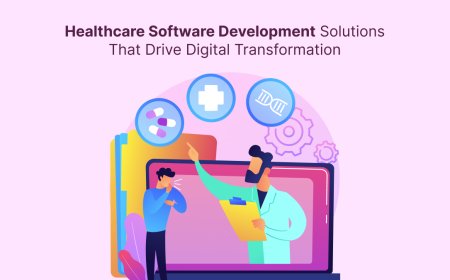
Hybrid healthcare includes virtual consultations (telehealth) paired with in-person check-ups when necessary. This model exploded during the pandemic and is here to stay.
Why it matters to you:
-
It saves time and expands access, especially in rural or underserved areas.
-
It improves efficiency for both patients and providers.
5. Business Models
These days, organizations provide hybrid services and products. For example, software that can be downloaded and used in the cloud, or coaching services that combine online and in-person instruction.
Why it matters to you:
-
It creates scalable and more personalized experiences.
-
It supports diverse customer needs.
What Are the Benefits of a Hybrid Model?
Heres why people across roles and industries are embracing hybrid models:
Flexibility
Youre not locked into one way of doing things. Thats incredibly empowering in fast-changing environments.
Efficiency
By combining the best of two systems, hybrid models often reduce waste, save time, and cut costs.
Personalization
Hybrid approaches can be customized to individual needs, whether it's an employee's schedule or a customer's preferences.
Scalability
Businesses can grow more easily by using hybrid strategies, especially in terms of staffing, technology, or client outreach.
Resilience
When one part of the system fails (e.g., a lockdown closes physical offices), the other part keeps things running.
What Are the Challenges?
No model is perfect. Here are a few potential downsidesand how to manage them:
-
Coordination issues: Teams may struggle with scheduling or communication.
Solution: Clear protocols and collaborative tools are essential. -
Technology dependency: Hybrid models often rely on strong tech infrastructure.
Solution: Invest in reliable tools and offer tech support/training. -
Inequality of experience: Some people may feel left out or less supported, especially remote workers or students.
Solution: Prioritize inclusivity and make regular check-ins a part of your culture. -
Complex management: Hybrid models can be harder to oversee.
Solution: Appoint hybrid champions or managers to ensure balance and smooth operation.
So, Why Should You Care?
If you're a business owner, a hybrid model can help reduce costs and increase employee satisfaction.
If you're a manager, it offers smarter ways to engage and retain your team.
If you're a student or employee, it gives you freedom, balance, and access.
If you're a customer, it means better, faster, more responsive service.
Hybrid models aren't just a passing phasethey're the blueprint for how we work, learn, and connect moving forward. And theyre here because they solve real problems with real-world practicality.
Final Thoughts: The Future Is Hybrid
You no longer have to choose between traditional and modern, digital and physical, or remote and in-person. The hybrid model emphasizes flexibility over compromise. It comes down to selecting both and creating a system that benefits a greater number of users.