




















Everything You Need to Know About ADUs in California

In response to the housing shortage and rising living costs, California has embraced Accessory Dwelling Units (ADUs) as a smart, flexible housing solution. Also known as granny flats, in-law units, or backyard homes, ADUs offer a practical way for homeowners to add value, create rental income, or provide space for familyall without buying new land.
With streamlined state laws and growing demand, now is a great time to consider building an Accessory Dwelling Unit in California. Whether you're a homeowner, investor, or builder, this article will walk you through the essentials of ADUswhat they are, why they're valuable, and how to get started in the Golden State.
What Is an Accessory Dwelling Unit (ADU)?
An ADU is a secondary housing unit located on a single-family or multi-family residential lot. Its a complete residence with its own kitchen, bathroom, living area, and entranceentirely independent from the main home.
In California, there are four primary types of ADUs:
-
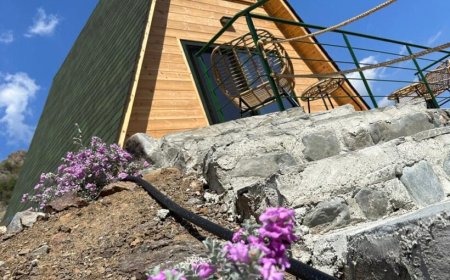
Detached ADU: A separate structure built in the backyard or elsewhere on the lot.
-
Attached ADU: An addition or extension to the primary residence.
-
Garage Conversion: Transforms an existing garage into a livable space.
-
Junior ADU (JADU): A unit up to 500 sq. ft., created within the existing footprint of the main home.
Each option has its own regulations, construction requirements, and benefits.
Why Are ADUs Gaining Popularity in California?
Californias housing crisis has pushed lawmakers and homeowners to look for creative solutions. ADUs have emerged as a powerful answer because they are:
? Flexible
ADUs can be used for multigenerational living, guest housing, home offices, or long-term rentals.
? Cost-Effective
Compared to building a new home or buying a second property, an ADU is significantly more affordable.
? Income-Producing
Many Californians are building ADUs to generate passive rental income in high-demand areas.
? Property Value Boosting
Well-designed ADUs often increase property value, especially in cities like Los Angeles, San Diego, or San Jose.
Californias ADU Laws: What You Need to Know
California has passed a series of laws making it easier than ever to build ADUs. These include:
?? Streamlined Permitting
Cities and counties must approve or deny ADU permits within 60 days.
? Reduced Setbacks
ADUs can now be built just 4 feet from side and rear lot lines.
? No Parking Requirement
In many areas, new ADUs dont require additional parking if near public transit.
? Multiple Units Allowed
In some cases, homeowners can build both an ADU and a Junior ADU on the same lot.
? Fee Reductions
Development and impact fees are often waived or reduced for ADUs under 750 sq. ft.
These state laws override most local zoning rules, giving homeowners more freedom than ever.
What Is the ADU Construction Process in California?
Building an accessory dwelling unit in California involves several key steps:
1. Feasibility Study
An ADU contractor evaluates your lots size, slope, access, and zoning to determine what you can legally build.
2. Design & Architecture
Youll work with architects or designers to create plans tailored to your property, needs, and budget.
3. Permitting
Your contractor will submit designs to the local building department for approval.
4. Construction
Once permits are approved, licensed crews handle excavation, foundation, framing, plumbing, electrical, and interior finishes.
5. Final Inspection
The local city or county conducts inspections to certify that the ADU complies with all codes.
Depending on the project scope, ADU construction can take 39 months from design to completion.
Average Cost of an ADU in California
Costs vary based on location, size, design, and materials. Heres a general range:
-
Garage Conversion: $90,000$150,000
-
Attached ADU: $130,000$250,000
-
Detached ADU: $180,000$400,000+
-
Junior ADU (JADU): $50,000$100,000
Prices are higher in metro areas like the Bay Area or Los Angeles due to labor and permitting fees. However, many homeowners find the investment worth it due to rental income and increased property value.
Financing Your ADU in California
Worried about funding your project? California homeowners have several options:
-
Home Equity Loans or HELOCs: Borrow against your home's equity.
-
Cash-Out Refinance: Refinance your mortgage and pull out cash for construction.
-
Construction Loans: Short-term loans that convert to mortgages after building.
-
Local Grant Programs: Some California cities offer ADU grants or loan assistance.
-
Fannie Mae Homestyle or FHA 203(k): Renovation loans that cover ADU costs.
Consult with a financial advisor or lender who specializes in ADU financing to explore your best options.
Common Uses for ADUs in California
California homeowners use ADUs for a variety of personal and financial reasons:
-
? Aging Parents or In-Laws Provide independence with proximity.
-
? Remote Work Offices Create a quiet, professional home workspace.
-
? Rental Property Long-term tenants or short-term vacation renters.
-
? Housing for College-Age Children Keep them close without crowding your space.
-
? Creative or Wellness Space Yoga studios, art rooms, or home gyms.
How to Choose an ADU Contractor in California
Not all contractors are equipped to handle the complexity of ADU builds. When hiring, look for:
-
? A licensed, bonded, and insured builder in California
-
? Experience with local ADU regulations
-
? In-house design and permitting services
-
? Transparent pricing and timelines
-
? Positive reviews and project portfolio
Working with a full-service ADU construction company in California ensures faster permitting, legal compliance, and a higher-quality build.

