




















Tree Removal: A Complete Guide to Safe and Smart Tree Removal Services
Tree removal isn’t just about cutting down a tree—it’s a process that demands expertise, planning, and precision. Whether your tree is dead, diseased, or in the way, removing it the right way can prevent accidents, protect your property, and open up your space for new possibilities.
Trees add beauty, value, and shade to your property, but there are times when removing one is the best (or only) option. Whether it's diseased, damaged, or dangerously overgrown, removing a tree safely is crucial for protecting your home, family, and landscape.
When Should You Consider Tree Removal?
If your tree is leaning, has visible rot, drops large branches, or has roots invading your foundation, it's time to call in the pros. Waiting too long could result in costly damages or injury.
Common Reasons for Tree Removal
Dead or Dying Trees
A dead tree is a ticking time bomb. It can fall unexpectedly and become a serious hazard. Removing it early prevents property damage or injury.
Storm-Damaged Trees
Strong winds and heavy rains can leave trees split, uprooted, or unstable. Even if the tree is still standing, it may be weakened internally and need to come down.
Diseased Trees
Tree diseases like root rot or Dutch elm disease spread fast and can kill neighboring plants. If your tree can't be saved, removal may be the only way to protect your yard.
Overgrown or Hazardous Trees
A massive tree close to your home can damage the roof, block sunlight, or interfere with power lines. These situations often require careful removal.
Landscaping or Construction Projects
Sometimes trees stand in the way of new construction or renovations. Whether you're installing a pool or building an extension, removing a tree may be necessary.
The Tree Removal Process Explained
Step 1: Tree Assessment
A professional arborist will evaluate the tree's health, location, and structure to determine the safest removal strategy. They'll also identify nearby hazards, like power lines or fences.
Step 2: Planning and Safety Measures
Before a single branch is cut, a detailed plan is created. This includes safety zones, rigging setups, and protective gear. Safety is the top priority.
Step 3: Cutting and Dismantling
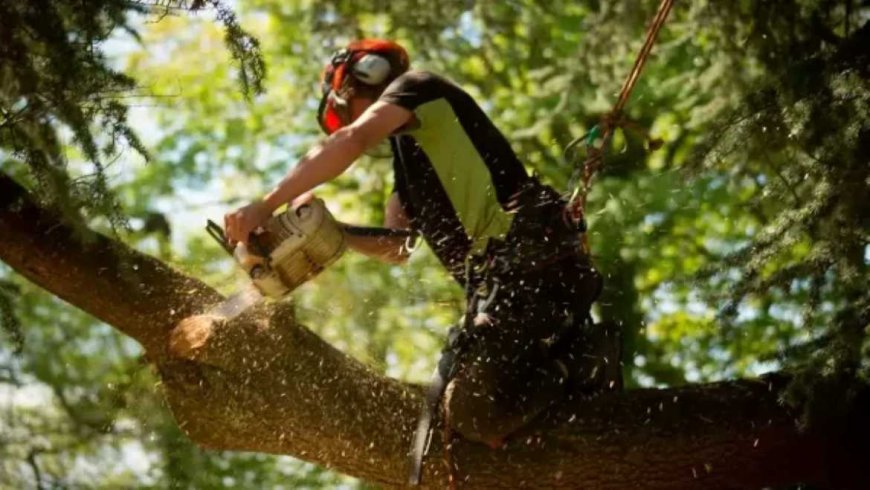
The tree is typically removed piece by piece, especially in tight spaces. Using ropes, pulleys, and chainsaws, professionals dismantle the tree section by section to control where everything falls.
Step 4: Debris Removal and Clean-Up
Branches, logs, and debris are hauled awayor chipped on-sitefor a clean finish. Some services offer to leave mulch or firewood if you'd like to keep it.
Step 5: Optional Stump Grinding
Want a smooth, usable yard? Stump grinding eliminates the leftover base of the tree below ground level, preventing regrowth and improving aesthetics.
DIY vs. Professional Tree Removal
Risks of DIY Tree Removal
Tree removal is NOT a weekend DIY project. Without the right training and tools, you could seriously injure yourself or others, damage property, or even disrupt utility lines.
Benefits of Hiring Professionals
-
Trained arborists understand tree behavior
-
Proper equipment for safe removal
-
Insurance coverage in case something goes wrong
-
Faster, cleaner, and more efficient
Bottom line: its worth the investment to hire experts.
How to Choose the Right Tree Removal Company
Important Certifications to Look For
-
ISA (International Society of Arboriculture) certification
-
TCIA (Tree Care Industry Association) membership
-
Licensed and insured status
These credentials show you're dealing with trained, professional teams.
Questions to Ask Before Hiring
-
Do you have insurance?
-
How many years of experience do you have?
-
Can you provide a written estimate?
-
Will you handle debris and stump removal?
Dont skip the Q&Ayour property depends on it.
Getting the Best Price
Always get multiple quotes. Compare services offered, not just the price. The cheapest option might skip cleanup or stump grinding.
Tree Removal Costs
What Affects Tree Removal Prices?
-
Tree height and width
-
Location and accessibility
-
Tree condition (dead or alive)
-
Emergency vs. scheduled service
-
Stump grinding included?
Average Costs by Tree Size
-
Small Trees (under 30 ft): $150 $500
-
Medium Trees (3060 ft): $400 $1,200
-
Large Trees (6080 ft): $800 $2,000+
-
Extra-Large Trees (80+ ft): $2,000 $4,000+
How to Save Money on Tree Removal
-
Schedule during the off-season (winter or early spring)
-
Bundle multiple tree removals at once
-
Do your own clean-up if allowed
Legal and Environmental Considerations
Do You Need a Permit?
In many areas, yes. Especially for large, old, or protected tree species. Always check with your local municipality before removing a tree.
Local Regulations and Protected Trees
Some regions protect certain tree species. Removing them without approval can result in heavy fines or legal issues.
Responsible Tree Disposal
Choose companies that recycle tree material into mulch, lumber, or compost. Its better for the environment and often more cost-effective.
Alternatives to Tree Removal
Tree Pruning and Shaping
Sometimes, strategic trimming is all thats needed to remove hazards or improve appearance.
Tree Relocation
If the tree is healthy and valuable, relocating it may be an optionespecially in landscaping projects.
Tree Bracing and Support Systems
Cabling or bracing can help stabilize a leaning tree or one with weak branches, extending its life and safety.
Conclusion
Tree removal isnt just about cutting down a treeits a process that demands expertise, planning, and precision. Whether your tree is dead, diseased, or in the way, removing it the right way can prevent accidents, protect your property, and open up your space for new possibilities.
Hiring a licensed, insured, and experienced tree service ensures the job is done safely and efficiently. Remember, the right company will not only cut down the tree but also handle cleanup, stump removal, and disposal responsibly.
FAQs
1. Is it safe to remove a tree myself?
Generally, no. Tree removal is dangerous and requires special equipment. Its best left to professionals.
2. How long does tree removal take?
It depends on size and location, but most trees take between 28 hours to remove.
3. What happens to the stump?
You can choose to leave it, grind it down, or have it fully removed. Most pros recommend stump grinding.
4. Will my insurance cover tree removal?
If a tree falls due to a covered peril (like a storm), insurance might cover it. Check your policy.
5. Can I replant after tree removal?
Yes, but its best to avoid the same spot unless the stump and roots are fully removed.