

























Why 3D Puff Embroidery Digitizing Makes Designs Stand Out
Learn how 3D puff embroidery digitizing transforms logos and artwork into bold, textured designs with depth and dimension on apparel.


When a small urban clothing brand launched its first collection of streetwear caps, they envisioned bold, raised logos that would pop from a distance. But after trying standard embroidery, the results fell flat literally. Thats when they discovered the power of 3D puff embroidery digitizing, a technique that added depth and dimension to their designs and instantly elevated their brands visual impact.
This isnt just another embroidery method 3D puff is about statement-making design. It gives texture, volume, and an eye-catching lift to logos and artwork that demand attention.
What Is 3D Puff Embroidery Digitizing?
3D puff embroidery digitizing is the process of converting a digital design into a machine-readable format specifically optimized for puff embroidery. It enables embroidery machines to stitch designs over a foam layer, creating a raised, 3D effect.
Unlike standard flat embroidery, puff embroidery uses:
-
A foam underlay inserted before stitching
-
High-density satin stitches that trap and compress the foam
-
Specific sequencing and stitch angles to hold the shape
The end result? A design that looks and feels elevated literally and figuratively.
You can explore how it works by visiting a 3D puff embroidery digitizing service page that outlines the full process.
Where and Why It's Used
3D puff embroidery is widely used for:
-
Headwear: Snapbacks, caps, and visors
-
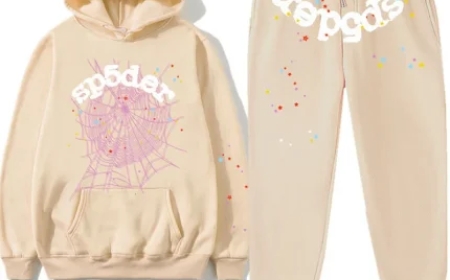
Outerwear: Jackets, sweatshirts, and hoodies
-
Sportswear: Jerseys and warm-up gear
-
Promotional products: Custom branding giveaways
The reason its so popular in these spaces is simple: puff designs are bold, memorable, and photogenic. They stand out in social media photos, product listings, and real-life events.
The Digitizing Process Explained
A quality puff digitized file doesnt just make a design look better it makes it work. The digitizers job is to:
-
Simplify the artwork: Too many small details dont work in puff.
-
Assign correct stitch paths: Using satin stitches to secure foam layers.
-
Adjust stitch angles: To prevent thread breakage and improve finish.
-
Set underlay and capping stitches: To stabilize edges and prevent foam from popping out.
Even slight errors like using an auto-digitized file can result in foam exposure, flattened stitches, or puckered fabric.
The Importance of the Right Foam and Thread
Foam thickness typically ranges from 2mm to 6mm. Thicker foam offers a bolder effect but requires tighter stitching. Thread also plays a key role polyester is often preferred for its strength and sheen.
Matching thread color with foam helps conceal any possible gaps. Thats why experienced digitizers test color combinations and foam behavior during sampling.

The Benefits of 3D Puff Embroidery
Choosing 3D puff offers more than just visual depth. It also brings:
-
Brand differentiation Your apparel stands out from flat-stitched competitors.
-
Professional appeal Raised designs signal quality and craftsmanship.
-
Increased value Products with puff embroidery can be sold at premium prices.
-
Durability When done right, puff embroidery maintains its shape over time.
Whether for a startup apparel brand or a seasoned merchandiser, these advantages can translate directly into stronger market presence.
Common Design Tips for Puff Embroidery
Not all artwork is suitable for puff. For best results, follow these guidelines:
-
Use bold, simple shapes or block lettering
-
Avoid serif fonts or thin strokes
-
Leave adequate spacing between elements
-
Limit to one or two thread colors in puff areas
-
Keep design size proportional to garment type
Previews or mockups are helpful, but a sample stitch-out always tells the full story.
Why Manual Digitizing Outperforms Automation
While software tools can auto-convert designs, puff embroidery requires manual digitizing to control:
-
Stitch sequence
-
Directional flow
-
Foam interaction
-
Underlay settings
Digitizing by hand allows professionals to test, tweak, and optimize for the specific machine brand, hoop size, and fabric type. This personalized touch results in cleaner finishes and fewer production errors.
Market Demand and Industry Trends
According to DataIntelo, the global custom embroidery market is projected to surpass $5.5 billion by 2027, with a growing segment focused on dimensional and textured effects like puff embroidery.
Streetwear and athletic apparel brands are leading adopters of this style, often combining puff with flat stitching, chenille, or applique to enhance visual complexity.
For e-commerce sellers, puff embroidery adds a premium touch to drop-shipped or small-batch apparel making it an appealing option for independent creators.
Applications in Branding and Fashion
A well-executed puff logo on a baseball cap or hoodie becomes an instant brand identifier. It draws the eye in photos, adds a tactile quality in person, and reinforces the premium feel of a brands offering.
This technique is ideal for:
-
Corporate uniforms Logos on caps and outerwear
-
Fashion collections Streetwear lines or signature pieces
-
Promotions and events Eye-catching giveaways or branded apparel
-
Team spirit wear Mascots, initials, or jersey numbers in puff

Conclusion
3D puff embroidery digitizing is more than just a technical step its a creative enhancement that helps logos and designs achieve their fullest potential. By raising your design off the fabric, it brings new life, attention, and value to your apparel.

