


















How to Navigate Solo on the Everest Base Camp Trek: A Guide for Independents
Reach the foot of Mount Everest on a guided trek through Nepal’s breathtaking Khumbu region.
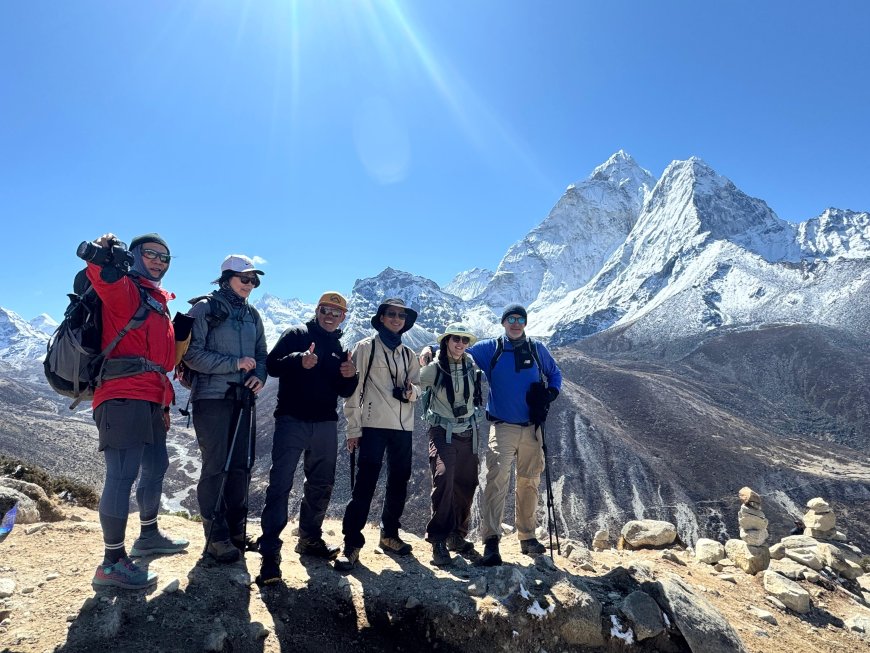
Trekking solo toEverest Base Camp Trek is a real adventure with amazing views and a great sense of personal achievement. Just keep in mind that going alone means you need to plan carefully and be ready for some challenges along the way.
Start by looking up all the details about the trail, important spots, and how to handle the altitude. Use good maps or a GPS to help you find your way. Dont forget to download offline maps, since you might not always get a signal out there.
Make sure you're ready both physically and mentally for self-guided trekking. Keep a steady pace to help your body adjust to the altitude, and pay attention to how youre feeling to avoid altitude sickness. Check the weather reports and be flexible with your plans if things change. Its a good idea to book rooms in teahouses ahead of time, especially during busy seasons, to make sure you have a place to stay.
Dont forget to have all necessary permits, like the TIMS card and the Sagarmatha National Park permit, since they are required for the trek. Pack light since you'll need to carry everything yourself. Also, let someone know your plans and try to check in when you can.
While trekking solo gives you freedom, safety should still come first. Know your emergency options and have local contact numbers handy. You can also meet other trekkers and locals along the way for tips and some company.
With the right preparation, trekking solo to Everest Base Camp can be an amazing experience that lets you soak in the stunning scenery and local culture while testing your limits.
Why Go Solo on the Everest Base Camp Trek?
Trekking alone to Everest Base Camp gives you the ultimate freedom and a chance to challenge yourself. You'll set your own pace, schedule, and make your own choices, which makes the whole experience much more personal. Being independent like this helps you build self-reliance and really appreciate the breathtaking Himalayan views. Just remember, solo trekking means you need to plan ahtay alert about safety, and be good with navigation. Many adventurers love this solo route because it lets them connect deeply with the nature and culture around whithem le tackling the physical and mental challenges of high-altitude trekking.
Permits and Paperwork for Solo Trekkers
If you're going solo to Everest Base Camp, you'll need to handle all the permits on your own. You must have a TIMS card (Trekkers' Information Management System) and a Sagarmatha National Park permit. These are important for safety and trek management. You can get these permits in Kathmandu or Pokhara before you head out. Always keep copies of your passport, visa, and permits with you. Make sure your permits are valid and follow the rules to avoid any fines or issues. Having the right paperwork is key for a smooth trek.
Navigation Tools for Solo Trekking
When trekking on your own to Everest Base Camp, its handy to have GPS devices, trekking apps, and offline maps to guide you. Apps like Maps.me and Gaia GPS are great because they give you detailed trail info and work offline, which is important since cell coverage is spotty. Always have a compass and paper maps as backups. Get comfortable with these tools before you start. Make sure to check your location often and watch for trail markers. Mixing modern tech with traditional skills can boost your confidence and help you avoid getting lost on the quieter parts of the trail.
Safety Tips for Solo Trekkers
Safety should be your top priority while trekking to Everest Base Camp alone. Always tell someone about your plans and when you plan to check in. Keep an eye on how you feel for signs of altitude sickness and be ready to turn back if needed. Its smart to carry a personal locator beacon or a satellite phone in case of emergencies. Stick to the marked trails, and dont take risky shortcuts. Getting to know other trekkers and locals along the way can offer support and useful tips. Planning for safety is essential when youre navigating unpredictable mountain conditions by yourself.
Planning Your Itinerary and Places to Stay
When youre crafting your itinerary, you get flexibility but also need to think things through. Set realistic daily hiking goals based on your fitness level and how well youre acclimatizing. During busy seasons, its a good idea to book your lodging in advance to ensure you get a place in the popular teahouses. Make a list of villages and lodges youll pass to help plan where to stop each day. Also, keep in mind to take rest days for acclimatization, especially in places like Namche Bazaar. A well-planned itinerary helps balance tougher days with enough rest, making your solo trek enjoyable without wearing you out.
Gear Checklist for Solo Everest Base Camp Trekkers
Choosing the right gear is key for a successful trip. Go for lightweight, versatile items like a sturdy backpack, layered clothes, and a good sleeping bag for chilly nights. Don't forget a portable charger, a headlamp, a water filter, and a small first aid kit. Since youll be carrying everything, pick things that are light but still keep you safe. Good hiking boots, trekking poles, and waterproof jackets will help you handle the tough terrain and changing weather. A solid gear list will keep you comfy, safe, and ready for whatever comes your way.
Managing Food and Water on the Trail
When you trek solo, managing your food and water is all on you. Pack plenty of high-energy snacks like nuts, dried fruit, and energy bars to keep your energy up. Make sure to refill your water regularly and use purification tablets or a filter to drink safely from streams or taps. Check out the teahouse menus for meals, but bring along extra supplies just in case. Keeping yourself fed and hydrated will help you recover and adjust to the altitude, so planning well for food and water will keep you going strong during your trek.
Handling Altitude Sickness While Trekking Solo
Altitude sickness is a real concern for solo trekkers. Know the signs, like headaches, dizziness, nausea, and tiredness. Take it easy and plan rest days for adjusting, especially after going over 3,000 meters. If you can, bring medications like acetazolamide and a portable oxygen device. Drink plenty of water and steer clear of alcohol and smoking. If your symptoms get worse, be ready to head down or get medical help. Having a plan for dealing with altitude sickness is essential for staying safe on the trail.
Staying Connected While Trekking Solo
Keeping in touch while trekking solo is crucial for safety and peace of mind. A local SIM card with data, a satellite phone, or a personal locator beacon can help you stay connected in remote spots. Lots of teahouses have Wi-Fi, though it can be hit or miss. Set up regular check-ins with family or friends to keep them in the loop about how you're doing. Being connected lets you get weather updates and emergency alerts, and it helps you feel less isolated on the trail.
Connecting with Local Communities and Fellow Trekkers
Solo trekking doesnt mean you have to be alone. Engage with local Sherpa communities and meet other trekkers to make your trip even better. Learning a few basic Nepali phrases can go a long way. Join communal meals or tea breaks in lodges to share stories and tips. Respecting local customs is important, too. Building connections not only enhances safety but also improves the experience. Balancing your independence with some social interactions will make your Everest Base Camp trek more enjoyable and memorable.
Can I Trek to Everest Base Camp Alone?
Yes, you can do the Everest Base Camp trek by yourself. A lot of solo adventurers do it because it gives them the freedom to go attheirr own pace and relax in the beautiful Himalayan scenery. That said, going solo means you need to be well-prepared, have good navigation skills, and be aware of things like altitude sickness and safety. Youll be on your own, so being fit and mentally ready is important. Make sure to carry all the right permits, have a good map or GPS, and try to stay connected when you can. Solo trekking can be a rewarding experience, but its important to be cautious and respect the challenges of high altitudes.
Can I Do the Everest Base Camp Trek Without a Guide?
Yes, you can trek to Everest Base Camp without a guide since its not legally required. Many seasoned trekkers choose to go without one for more flexibility and independence. However, if youre new to high-altitude trekking, its a good idea to hire a guide. They can help with navigation, acclimatization tips, and even local culture. Plus, they can handle emergencies better. While you can go without a guide, it does come with risks and logistical challenges that you need to be prepared for.
How to Get Ready for the Everest Base Camp Trek?
Preparing for Everest Base Camp involves a mix of physical training, getting your gear ready, and planning things out. Focus on building your stamina and leg strength with activities like hiking, running, or biking. Practice carrying a loaded backpack on different types of terrain to mimic what youll face on the trek. Know the symptoms of altitude sickness and how to acclimatize. Make sure you have the necessary permits li,ke the TIMS card and Sagarmatha National Park permit. Pack layers of clothing for cold and rough weather. Get to know the route, weather patterns, and emergency procedures. And dont forget to mentally prepare yourself and set realistic goals for your trek.
How Do I Find a Guide for the Everest Base Camp Trek?
To find a guide for Everest Base Camp, look for well-reviewed trekking agencies that are licensed and have good client feedback. Booking through established agencies helps ensure your guide is trained, insured, and knows the local area well. You can book online before your trip or contact tourism offices in Kathmandu. Check your guide's credentials, experience, and what services they offer. Make sure to communicate your trekking pace, expectations, and budget clearly to find the right match. A good guide caenhancece your safety and give you a better understanding of the local culture while youre trekking.
Final Thoughts
Trekking to Everest Base Camp, whether alone or with a guide, brings its own set of experiences and challenges. Solo trekking offers independence, while having a guide ensures safety and local insights. Whatever route you choose, preparation is keyphysically, logistically, and mentally. A reliable guide can help ease your mind, but independent trekkers can also do well with proper planning. Always respect the high-altitude environment, take care of your health, and connect positively with local people. No matter how you go about it, trekking to Everest Base Camp is an unforgettable experience that rewards courage and preparation.



