



















The Complete Guide to Stump Grinding: What You Need to Know
Stump grinding is more than just an afterthought—it’s a smart, effective way to keep your yard safe, beautiful, and pest-free.
Ever wondered what happens to that stubborn tree stump after youve removed a tree? Thats where stump grinding comes in. Its the unsung hero of tree removal the final step that makes your yard clean, safe, and ready for new landscaping. In this guide, well walk you through everything you need to know about stump grinding what it is, why it matters, and how to do it right.
What is Stump Grinding?
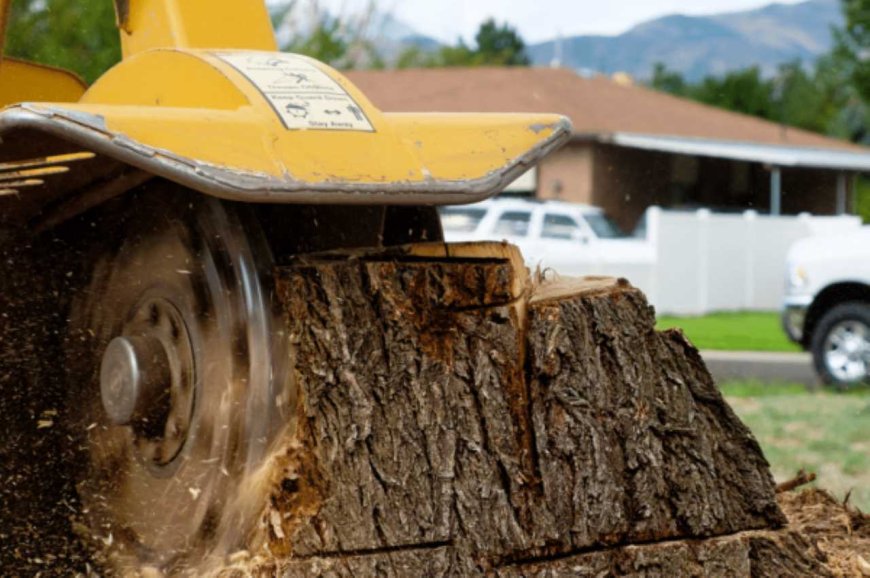
Stump grinding is the process of mechanically grinding down a tree stump using a powerful machine with a spinning cutting wheel. This wheel chips away the wood until the stump is below ground level, often leaving behind a mound of wood shavings that can be repurposed as mulch.
Why Its an Important Part of Tree Removal
Leaving a stump behind after tree removal can lead to:
-
Trip hazards
-
Insect infestations
-
Regrowth of the tree
-
An eyesore in your otherwise beautiful lawn
Thats why stump grinding is often included in professional tree removal services.
Reasons to Remove a Tree Stump
Safety Hazards
Stumps are a tripping risk, especially for kids and the elderly. They also pose a danger during mowing or landscaping.
Pest and Insect Infestation
Old stumps can attract termites, ants, beetles, and even rodents. Once they settle in the stump, they can spread to your home.
Lawn Aesthetics and Landscaping
A stump can ruin the visual flow of your lawn or garden and block new landscaping plans.
Preventing Regrowth
Many trees try to regrow from the stump, which leads to suckers sprouting and a new (unwanted) tree forming.
What is the Stump Grinding Process?
Initial Inspection and Site Prep
The stump is assessed for size, type, and location. Rocks, debris, and other obstacles are cleared before grinding begins.
Equipment Used in Stump Grinding
-
Walk-behind stump grinders
-
Tow-behind stump grinders
-
Tractor-mounted grinders (for large stumps)
How the Grinding Process Works
Depth of Grinding
Most pros grind the stump 4 to 12 inches below ground level, deep enough to prevent regrowth and allow for replanting.
Dealing with Large vs. Small Stumps
Large stumps may take longer and require heavier machinery, while small ones can often be removed with a compact grinder.
What Happens to the Mulch?
The grinding creates wood chips and sawdust, which can:
-
Be used as mulch in your garden
-
Be composted
-
Be removed by the service provider
Stump Grinding vs. Stump Removal
Whats the Difference?
-
Grinding leaves the roots and grinds only the visible part.
-
Removal takes the entire stump and roots out of the ground.
Pros and Cons of Each Method
| Method | Pros | Cons |
|---|---|---|
| Stump Grinding | Faster, cheaper, less damage | Roots remain, possible regrowth |
| Stump Removal | Complete removal, no regrowth | More expensive, heavy digging |
Which Option is Better for You?
-
Choose grinding for a fast, clean fix.
-
Go with removal if you plan major landscaping or worry about root spread.
DIY Stump Grinding vs. Hiring a Pro
Can You Rent a Stump Grinder?
Yes, you can rent a grinder from hardware stores, but theyre typically smaller models that require some muscle and know-how.
DIY Challenges and Safety Concerns
-
Heavy equipment use
-
Flying debris and dust
-
Risk of underground utility damage
Why Professionals Are Often the Best Choice
Pros are licensed, insured, and know how to avoid hazards plus, they finish the job much faster.
Cost of Stump Grinding
Pricing by Stump Size and Quantity
-
Small stumps (under 12 inches): $60$120
-
Medium (1224 inches): $100$250
-
Large (over 24 inches): $250$500+
Factors Affecting the Cost
-
Stump diameter and type of tree
-
Access to the stump (slopes, fences, etc.)
-
Number of stumps to grind
Average Price Range for Residential Jobs
Most homeowners pay between $150 and $350 for standard stump grinding services.
What to Do After Stump Grinding
Handling the Wood Chips
-
Use them as garden mulch
-
Spread them over walking paths
-
Haul them away if you dont want them
Soil Restoration and Grass Reseeding
Fill the hole with topsoil and reseed to restore the lawn or prep for planting.
Planting Over the Site
After grinding, the area is perfect for planting shrubs, flowers, or even another tree (not the same kind).
Environmental Considerations
Eco-Friendly Disposal of Waste
Many tree services recycle the wood chips or compost them for landscaping use.
Benefits for Soil Health and Future Growth
Grinding returns organic matter to the soil, which can actually enrich your yard when done correctly.
Common Myths About Stump Grinding
The Roots Will Die Instantly
False. Roots can remain alive for a while after grinding, though they wont typically regrow unless its a hardy species.
Grinding Is Just As Good As Full Removal
Not always. If you're doing construction or hardscaping, you may still need full removal.
It Doesnt Affect Landscaping
Grinding leaves a hole that needs filling. Your yard will look patchy unless you restore the area properly.
Conclusion
Stump grinding is more than just an afterthoughtits a smart, effective way to keep your yard safe, beautiful, and pest-free. Whether you're clearing space for new landscaping or just getting rid of that trip hazard, stump grinding offers a cost-effective and eco-friendly solution. And while DIY is possible, hiring a professional ensures the job is done quickly, safely, and thoroughly.
FAQs
1. How deep does stump grinding go?
Most grinding goes 412 inches below the ground, depending on your needs.
2. Will the tree grow back after stump grinding?
Usually not, but some species like willow or maple can attempt to regrow.
3. Is stump grinding safe for my yard?
Yes, as long as its done properly and the site is prepared.
4. Can I grind the stump myself?
Yes, but it's physically demanding and potentially dangerous. Proper training and equipment are essential.
5. What should I do with the leftover wood chips?
Use them as mulch, compost them, or ask the service to haul them away.