





















Can ABA Therapy Be Too Much? Understanding Intensity and Balance
ABA therapy focuses on improving specific behaviors.


Applied Behavior Analysis (ABA) therapy is a widely used approach for helping children with autism build important life skills. It's known for being structured, consistent, and effective, especially when started early. But sometimes, parents and caregivers wonder: can too much ABA be harmful? Like anything else, balance is key. Families working with providers like beyond infinity aba often ask how much therapy is just right, and when it might become too intense.
What Is ABA Therapy?
ABA therapy focuses on improving specific behaviors.
This can include communication, social skills, self-care, and even play. It breaks tasks into small steps and rewards progress to encourage learning.
The Importance of Early Intervention
Starting therapy early can improve long-term outcomes.
Children who begin ABA therapy at a young age often see faster progress. However, the amount and type of therapy must match the childs needs and personality.
Understanding Therapy Intensity
Intensity refers to how many hours of therapy a child receives.
Some children attend therapy for 1040 hours per week, depending on their goals. But more hours don't always mean better results if the child feels overwhelmed.
Signs That Therapy Might Be Too Much
Kids may show certain signs when they are feeling stressed or tired.
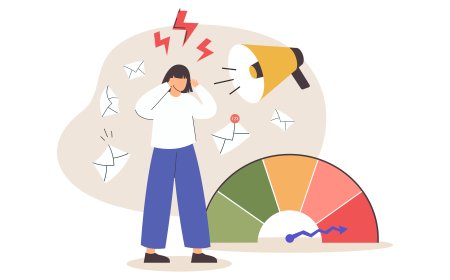
If a child resists going to therapy, becomes more withdrawn, or shows emotional outbursts more often, they might be signaling that the intensity needs to be adjusted.
Individual Needs Must Come First
Every child is different and responds differently to therapy.
Some children thrive with longer sessions, while others do better with shorter, more playful lessons. What works for one child may not work for another.
The Role of Breaks and Downtime
Rest is just as important as therapy.
Kids need time to play, relax, and enjoy childhood. This balance helps them feel refreshed and ready to learn. Breaks also give families a chance to bond outside of structured sessions.
Listening to the Childs Voice
Even young children have ways to tell us how they feel.
Nonverbal cues like avoiding eye contact, body language, or a change in mood can indicate discomfort. Listening to these signs helps in adjusting therapy plans respectfully.
The Parents Role in Monitoring Progress
Parents are the best judges of their childs well-being.
They can observe changes at home and in daily routines. If a parent feels that therapy is causing more stress than growth, it may be time for a conversation with the provider.
Professional Guidance Matters
Therapists should adjust plans based on the childs responses.
Good ABA providers regularly assess how the child is doing, both emotionally and behaviorally. They will reduce hours, change strategies, or suggest new goals when needed.
Looking at the Whole Child
Therapy should not only focus on fixing behaviors.
Its also about helping the child enjoy life, build friendships, and explore their world. Therapy plans should support emotional health, curiosity, and independence.
Watch for Developmental Signs
Sometimes behavior during therapy reveals deeper needs.
Children who are struggling during intense therapy may also show signs of autism in 3 year olds, such as avoiding eye contact, not using many words, or playing in repetitive ways. These signs should guide therapy choices.
Balancing Structure with Fun
Therapy can include play and still be effective.
Kids learn best when theyre having fun. ABA activities that involve toys, songs, or games can keep children engaged without wearing them out.
Teamwork Between Parents and Therapists
Communication is key to finding the right balance.
When parents and therapists work together, they can create a schedule that supports both learning and happiness. Weekly check-ins can help track whats working and what needs to change.
Signs of a Healthy Therapy Plan
A well-balanced ABA plan includes the childs input.
It should have a mix of skills, rest, and fun. Progress should be steady but not forced. The child should feel safe, motivated, and connected during and after sessions.
When to Cut Back
Its okay to reduce hours if needed.
If the child is showing progress with less therapy, or if theyre overwhelmed, a reduction can help. The goal is long-term growth, not rushing results.
School and Social Life Matter Too
Children need time for other important parts of life.
School, family outings, and playdates all help children grow. ABA should support, not replace, these vital experiences.
Final Thoughts on Balance in ABA
ABA therapy can be life-changing, but only when used wisely.
The best outcomes happen when therapy fits the childnot the other way around.
Parents, therapists, and children must work as a team to create a plan that works.
With the right balance, ABA becomes a powerful, supportive journeynot a stressful one.